
Project Overview
Columbia Engineering Group provided electrical and mechanical engineering for the Yakima Valley School Campus Generator Replacement project in Selah, Washington. The 141,000 square foot nursing facility relies on emergency power systems to support critical operations across multiple cottage clusters.
The campus originally relied on four aging diesel generators. After one unit failed, it was replaced through an emergency project. An emergency chiller was also added so critical cooling could operate on generator power.
Phase 2 replaced the remaining three generators and modernized the supporting electrical infrastructure. The work improved backup power reliability while bringing the essential electrical system into alignment with current code requirements.
Critical Power for an Active Nursing Facility
Reliable emergency power is especially important in a healthcare environment. Therefore, the project had to support more than basic building loads during an outage.
CEG reconfigured the essential electrical system into its required branches and transferred additional loads to generator power. HVAC equipment and fire alarm connections were also integrated so critical facility systems could remain supported during power interruptions.
Engineering Scope of Work
CEG coordinated generator replacement, electrical distribution upgrades, essential system reconfiguration, and mechanical load integration across the campus.
Generator Replacement
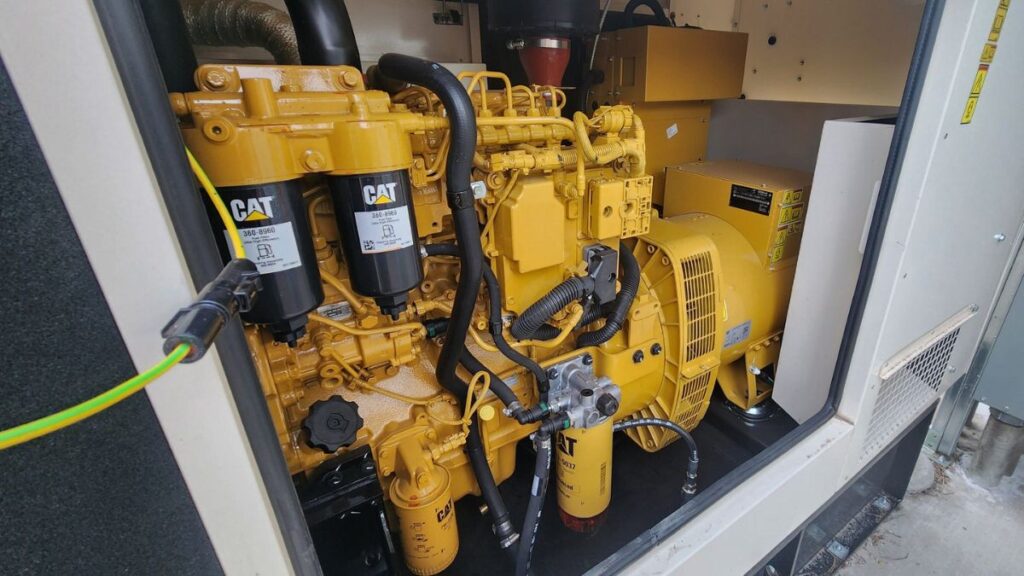
Phase 2 replaced three aging diesel generators. The new equipment included one 500kW generator and two 100kW generators to support campus emergency power needs.
Transfer & Distribution Equipment
The upgrade included eight automatic transfer switches, three manual transfer switches, five panelboards, and a new switchboard. Together, this equipment improved emergency power distribution across the facility.
Essential Electrical System
CEG separated the essential electrical system into its required branches and updated the configuration to meet current code. Several loads were also moved from normal power to generator-backed service.
HVAC & Emergency Cooling
HVAC loads were added to the emergency power system to support facility operations during outages. The earlier emergency phase also added a chiller that could operate on generator power.
System Coordination & Reliability
CEG coordinated multiple load transfers, fire alarm connections, generator-backed HVAC, and electrical distribution changes as one integrated system. The design focused on reliable operation, code compliance, and flexibility for future facility needs.
Project Outcome
The Yakima Valley School generator replacement modernized critical backup power infrastructure for an active nursing facility. Three aging generators were replaced while major distribution and transfer equipment was upgraded across the campus.
The project also expanded what the emergency power system could support. HVAC, cooling, fire alarm connections, and other critical loads were integrated into the revised configuration.
As a result, the facility gained a more reliable and code-compliant emergency power system designed to support continuity of operations during outages.
What Made This Project Stand Out
The upgraded system supports emergency power needs for an active nursing facility and its campus operations.
CEG separated the essential electrical system into required branches and brought the configuration up to current code.
Generator-backed HVAC and emergency cooling increased the facility’s ability to maintain critical environmental conditions during outages.
New generators, transfer switches, panelboards, switchgear, and load changes were coordinated as one campus-wide emergency power upgrade.