
Project Overview
Columbia Engineering Group provided electrical engineering for the Swire Coca-Cola Spokane Distribution Center Expansion Electrical Power System Study in Spokane, Washington. Another engineering firm designed the power distribution system, while CEG completed the detailed system analysis.
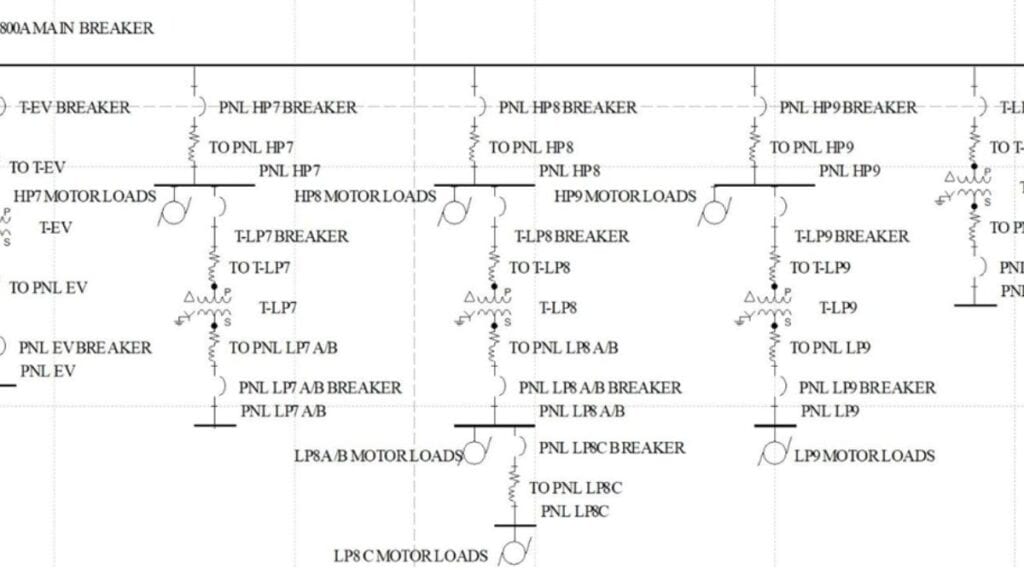
The study evaluated fault current, arc flash incident energy, and protective device coordination. CEG also developed a detailed SKM model using the actual equipment and system configuration for the expansion.
The final analysis gave the project team a clearer understanding of electrical system performance and identified protective device changes for consideration.
Project Challenge and Approach
Because CEG did not design the original distribution system, accurate project information was essential. The study also had to account for both existing and proposed electrical equipment.
CEG coordinated with the contractor, utility company, and equipment vendor to confirm system details. This information allowed the SKM model to reflect the actual breakers, fuses, transformers, generators, conductors, raceways, and other major components.
Electrical Power System Study Scope
CEG evaluated system performance through three core analyses supported by detailed equipment modeling and multiple operating scenarios.
Fault Current Analysis
CEG calculated available fault current and compared the results with the interrupting ratings of proposed and existing equipment. This review helped identify equipment conditions that required further evaluation.
Arc Flash Analysis
The study evaluated arc flash incident energy throughout the electrical system. CEG also developed arc flash labels based on the completed analysis.
Protective Device Coordination
CEG developed selectively coordinated time-current curves and evaluated equipment damage curves. The study also included recommended settings for protective devices.
Detailed SKM Modeling
The model included project-specific breakers, fuses, switchboards, panelboards, automatic transfer switches, generators, transformers, motor contributions, conductors, and raceways.
Scenario Analysis & Reporting
CEG evaluated multiple system scenarios and documented the findings in a 52-page report. The report included study results, recommended protective device changes, and the analysis supporting those recommendations.
Project Outcome
The completed study provided a detailed view of fault current levels, arc flash conditions, and protective device coordination for the Spokane distribution center expansion.
Because the analysis was based on a project-specific SKM model, the findings reflected the actual proposed and existing system configuration. Coordination with the contractor, utility, and equipment vendor further supported the accuracy of the model.
The final report also identified recommended protective device changes and documented the engineering analysis behind them. This gave the project team practical information to support electrical system decisions for the expansion.
What Made This Project Stand Out
The study modeled the actual electrical equipment and system configuration rather than relying on general assumptions.
Fault current, arc flash, and protective device coordination were evaluated together for a more complete view of system performance.
The 52-page report identified protective device changes and included the engineering analysis supporting those recommendations.
CEG worked with the contractor, utility company, and equipment vendor to verify system information and strengthen model accuracy.